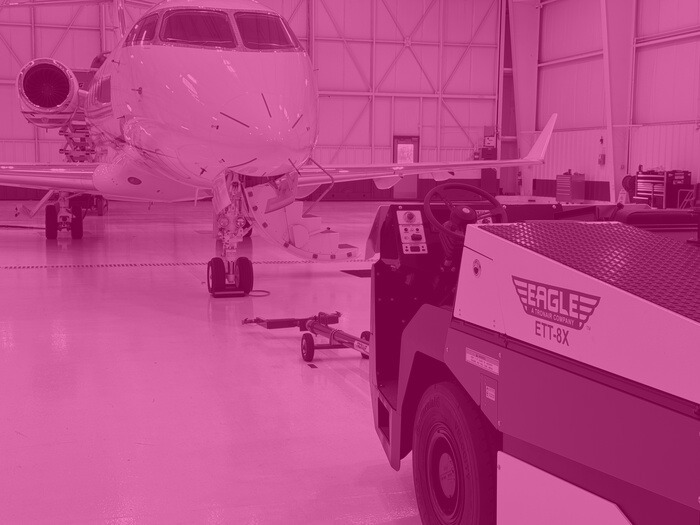

Inside the 2026 IATA Ground Operations Manual (IGOM): What’s Changed for Ramp Operations?
The release of the 2026 edition of the IATA Ground Operations Manual (IGOM) marks a significant step forward in the standardisation and modernisation of global ground handling.
Effective from 1 January 2026, the latest edition introduces a wide range of procedural updates designed to improve safety, efficiency, and consistency across ramp operations worldwide.
Part of a broader set of IATA manual updates – incorporating nearly 100 major changes across cargo and ground operations – IGOM 2026 reflects a sector responding to new risks, evolving passenger needs, and increasing regulatory pressure.
A Global Push for Standardisation
At its core, IGOM continues to serve a critical purpose: reducing operational complexity across airlines, airports, and ground service providers.
Ground handling has traditionally been fragmented, with different airlines requiring slightly different procedures. IGOM aims to eliminate this inconsistency by creating a single, standardised set of procedures for ramp operations.
The 2026 edition reinforces this objective, with updates specifically designed to:
- Improve coordination between stakeholders
- Reduce operational variability
- Enhance safety through consistent procedures
As regulatory frameworks from ICAO, EASA, and national authorities continue to evolve, IGOM is increasingly acting as the bridge between best practice and formal compliance.
Key Operational Changes in IGOM 2026
1. Revised Aircraft Turnaround Procedures
Aircraft turnaround remains one of the most safety-critical and time-sensitive phases of ground handling.
The 2026 IGOM introduces revised procedures for turnaround operations, aimed at improving coordination, reducing delays, and minimising risk on the apron.
These updates focus on:
- Clearer sequencing of ground activities
- Improved communication between teams
- Reduced ambiguity in responsibilities
For operators, this means tighter, more structured workflows – and less room for procedural variation.
2. Enhanced Passenger Handling Protocols
A notable shift in IGOM 2026 is the increased focus on passengers requiring special handling.
New or expanded guidance includes:
- Unaccompanied minors
- Passengers with medical needs
- Inadmissible or disruptive passengers
These updates reflect growing operational complexity on the ground, as airlines face higher expectations around passenger care, safety, and compliance.
3. Baggage Tracking and Accountability
Baggage handling continues to be a major operational and reputational risk for airlines.
The 2026 IGOM strengthens alignment with IATA Resolution 753, reinforcing requirements for:
- End-to-end baggage tracking
- Improved accountability across handling points
- Greater transparency in baggage flows
This represents a continued push toward data-driven ground operations, where tracking and traceability are essential.
4. Updated Potable Water Handling Procedures
Often overlooked, potable water handling is a critical safety and hygiene function.
The updated IGOM includes revised procedures for the preparation, collection, and transportation of potable water, ensuring:
- Improved contamination control
- Standardised handling practices
- Greater regulatory alignment
This reflects a broader trend of tightening standards across all aspects of ground servicing – not just high-visibility operations.
Digitalisation and Compliance Tools
Beyond procedural updates, one of the most important themes in IGOM 2026 is digital transformation.
IATA has introduced new digital tools and enhancements across its manuals, including:
- Online compliance platforms (such as LAR Verify)
- Digital dangerous goods lists
- Improved classification and documentation tools
These developments signal a shift away from paper-based processes toward real-time, digital compliance ecosystems.
For ground handlers, this means:
- Faster access to operational guidance
- Improved audit readiness
- Greater integration with airline and airport systems
Why IGOM 2026 Matters for Ramp Operations
The updates in IGOM 2026 are not just procedural – they represent a broader evolution in how ground operations are managed.
1. Reduced Operational Variability
Standardised procedures reduce confusion, particularly in multi-airline environments.
2. Stronger Safety Outcomes
Clearer processes and defined responsibilities help reduce human error and incidents.
3. Increased Regulatory Alignment
As ICAO and national regulators introduce formal oversight, IGOM provides a practical framework for compliance.
4. Greater Efficiency
Streamlined procedures improve turnaround times and resource utilisation.
A Step Toward the “Connected Ramp”
IGOM 2026 also reflects a longer-term shift toward a more integrated and data-driven ramp environment.
With:
- Standardised procedures
- Digital tools
- Increased data capture
Ground handling is moving toward a model where operations are:
- More predictable
- More measurable
- More connected across systems
This aligns with broader industry trends, including automation, predictive analytics, and smart airport infrastructure.
Challenges for Implementation
Despite its benefits, adopting IGOM 2026 will require significant effort across the industry.
Key challenges include:
- Updating internal procedures and documentation
- Retraining staff across multiple roles
- Aligning legacy systems with new digital tools
- Ensuring consistency across global operations
As the margin for procedural deviation narrows, compliance will depend on execution as much as policy.
Looking Ahead
With IGOM 2026 now in effect, the direction of travel is clear.
Ground handling is becoming:
- More standardised
- More data-driven
- More closely aligned with regulatory frameworks
As part of a wider set of IATA updates introducing nearly 100 changes across aviation operations, IGOM 2026 is not just an incremental update – it is part of a broader transformation of the industry.
For ground handlers, airports, and GSE providers, the message is clear:
Adapting to IGOM is no longer optional – it is essential for safe, efficient, and compliant ramp operations in 2026 and beyond.